DRY SKIN
CAUSES, SIGNS & HOW TO REPAIR YOUR SKIN BARRIER
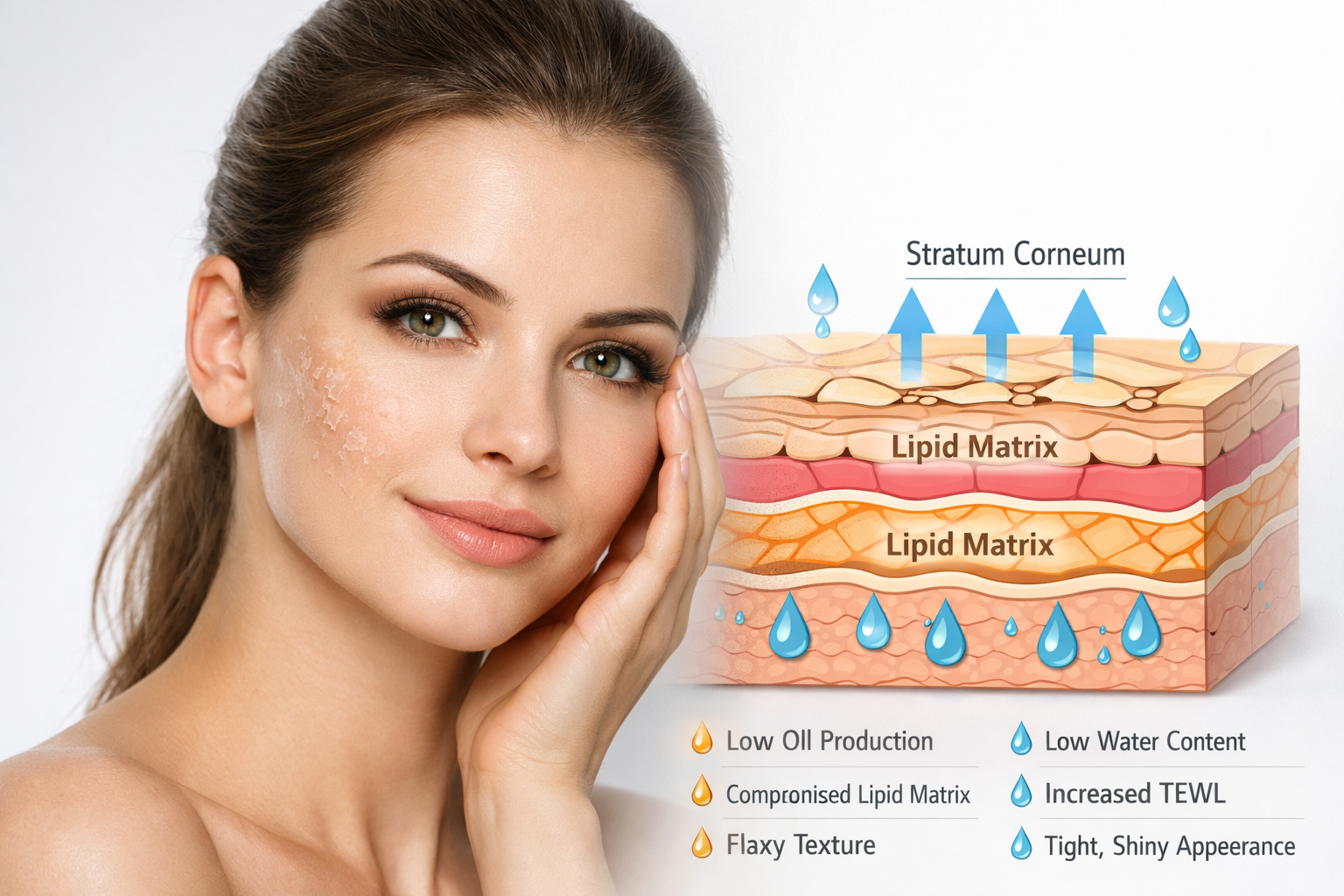
Dry skin is a natural skin type that produces less oil than it needs to stay soft, flexible, and protected. It becomes more common with age as natural oil production gradually decreases. When the skin lacks oil, the barrier becomes fragile, leading to flaking, tightness, and irritation. This page explains what causes dry skin, how it differs from dehydrated or compromised skin, and the best ways to repair and support your skin barrier for long-term skin health.
Did you know? Dry skin becomes more common with age because your skin naturally produces less oil over time, making barrier support increasingly important.
What Is Dry Skin?
Dry skin is common, but it’s also one of the easiest skin types to support with the right routine and barrier‑focused treatments.
Dry vs. Dehydrated Skin
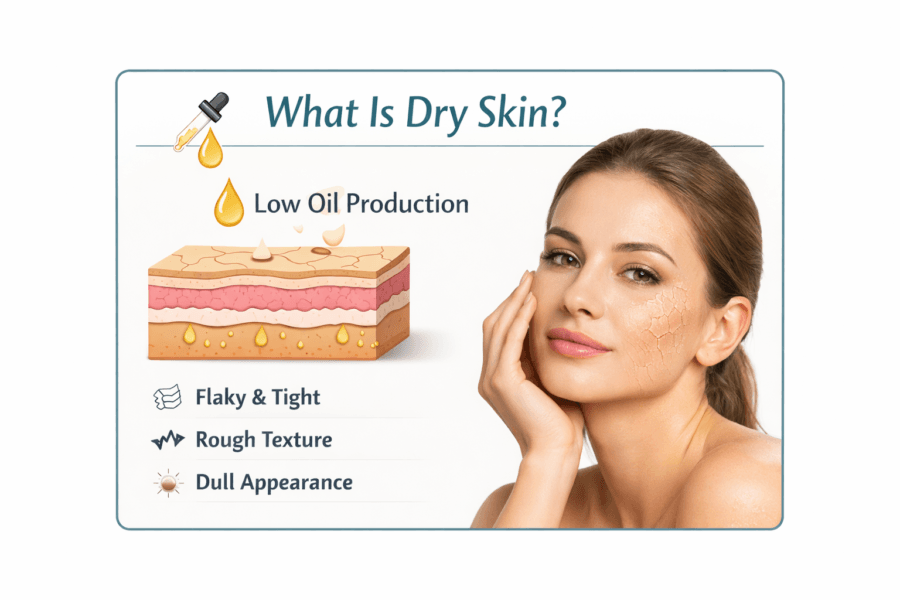
Dry Skin = Lack of Oil
- Feels rough or flaky
- Looks dull
- Tight after cleansing
- Fine lines look more visible
- Makeup clings to dry patches
Dehydrated Skin = Lack of Water
- Can happen to any skin type
- Feels tight but also oily
- Looks tired or “deflated”
- Breakouts + dryness at the same time
- Often caused by lifestyle, weather, or harsh products
You can be dry, dehydrated, or both. This is why a personalized routine matters.
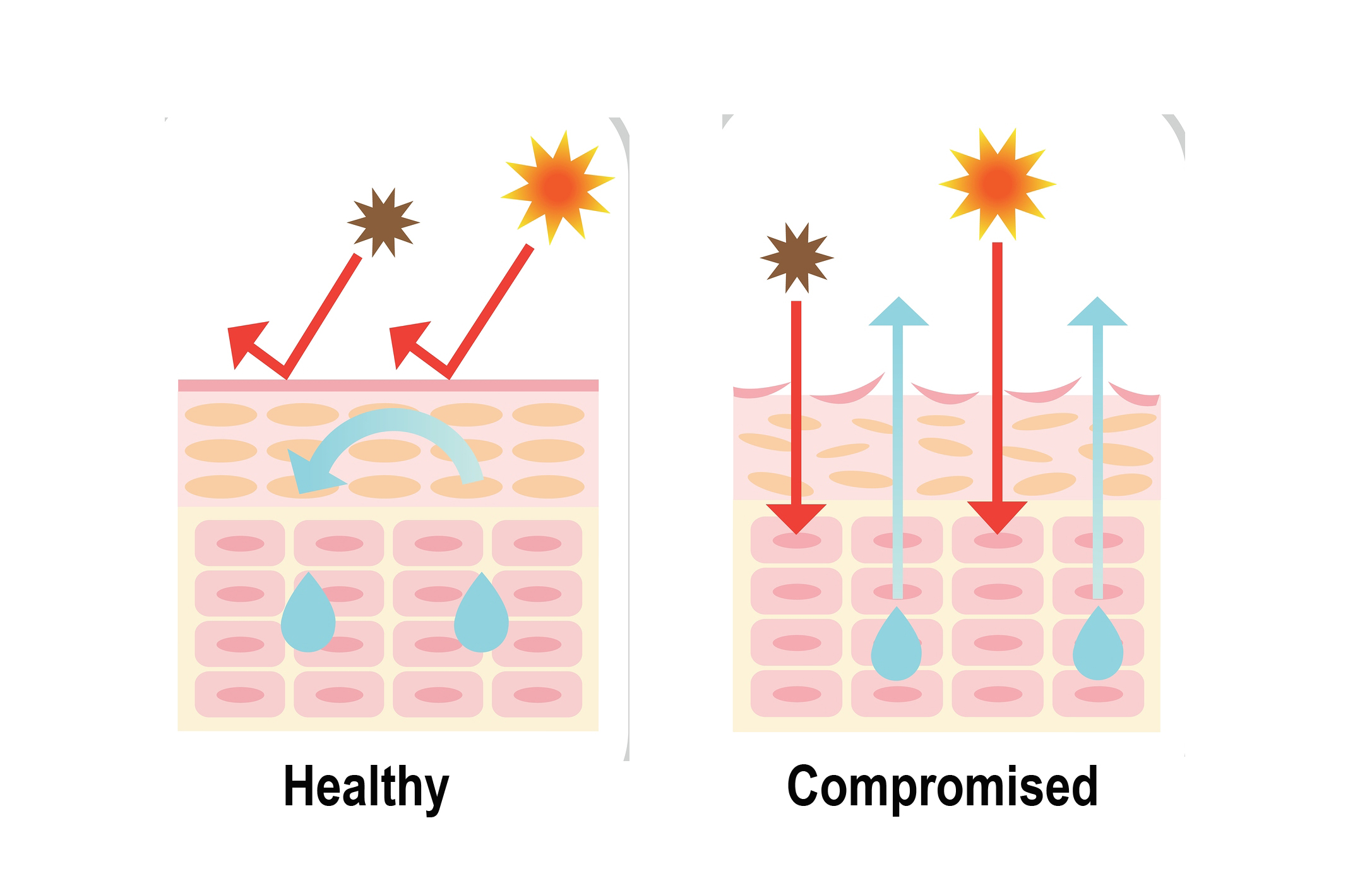
Dry vs. Compromised Skin
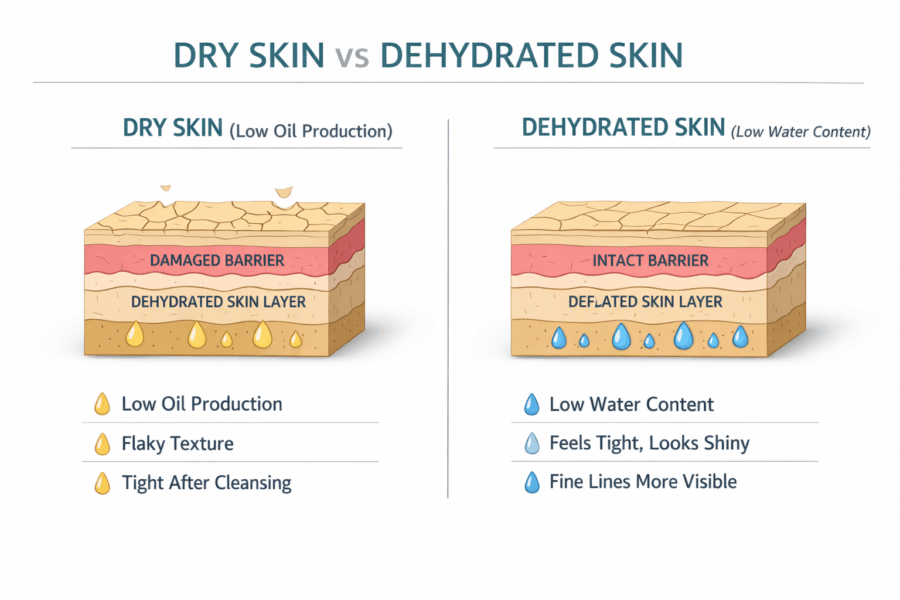
Dry Skin
A natural skin type with low oil production.
Compromised Skin
A damaged skin barrier caused by:
- Over‑exfoliation
- Harsh cleansers
- Retinol misuse
- Fragrance or essential oils
- Sun exposure
- Stress or illness
- Allergic reactions
How to tell the difference
Dry Skin:
- Consistent dryness year‑round
- Flaky patches
- Tightness after washing
Compromised Skin:
- Burning or stinging
- Redness or inflammation
- Sudden sensitivity
- Products “don’t work anymore”
- Breakouts + irritation at the same time
A compromised barrier needs repair first, then hydration, then active ingredients.
Signs of Dry Skin
- Flaking or rough texture
- Tightness after cleansing
- Dull or uneven tone
- Fine lines more visible
- Makeup looks patchy
- Skin feels thin or delicate
What Causes Dry Skin?
Dry skin can be genetic, but it can also be worsened by:
- Cold or dry weather
- Hot showers
- Over‑cleansing
- Aging (oil production slows naturally)
- Low humidity
- Incorrect skincare routine
- Medications
- Hormonal changes
How We Treat Dry Skin at PSC
Your skin needs oil, water, and barrier support — in the right order.
Our treatment approach includes:
- Gentle, non‑stripping cleansing
- Barrier‑repairing ingredients (ceramides, lipids, cholesterol)
- Hydrating layers (hyaluronic acid, glycerin, panthenol)
- Nourishing oils for long‑lasting comfort
- LED therapy for inflammation
- Customized facials that support barrier repair
Best PSC Treatments for Dry Skin
- Signature Facial — hydration + nourishment
- BioLift™ — gentle rejuvenation for dry, aging skin
- MicroFusion™ — customized infusion without stripping
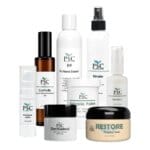
Recommended Products for Dry Skin
Examples of what belongs here:
- B5-Hydrating cleanser
- Restore- Barrier‑repair moisturizer
- Glass Elixer serum
- Casfroba Nourishing facial oil
When Dry Skin Leads to Hyperpigmentation
This is where your hyperpigmentation content fits naturally.
Dry or compromised skin can’t protect itself well. When the barrier is weak, inflammation increases — and inflammation triggers melanocytes. This makes dark spots darker and slows down fading.
Why dry skin worsens hyperpigmentation:
- More inflammation
- Slower healing
- Increased sensitivity
- Higher risk of post‑inflammatory dark spots
- Active ingredients can’t penetrate properly
This is the perfect transition into your Hyperpigmentation & Dark Spot Treatments section, which you already inserted.
FAQ
What causes dry skin?
Dry skin happens when your skin produces less oil than it needs to stay soft and protected. Weather changes, aging, harsh cleansers, and genetics can all contribute.
What is the difference between dry and dehydrated skin?
Dry skin lacks oil, while dehydrated skin lacks water. You can have both at the same time, which is why a personalized routine is important.
How do I know if my skin barrier is compromised?
A compromised barrier often feels irritated, sensitive, or inflamed. You may notice burning, redness, stinging, or products suddenly “not working.”
Can dry skin cause hyperpigmentation?
Yes. When the skin barrier is weak, inflammation increases — and inflammation can trigger or worsen dark spots and slow down fading.
What treatments help repair dry skin?
Barrier‑focused facials, hydrating serums, ceramides, nourishing oils, and gentle exfoliation help restore comfort and support long‑term skin health.
What products should I avoid if I have dry skin?
Avoid harsh cleansers, strong exfoliants, alcohol‑based toners, and fragrance‑heavy products that can strip or irritate your barrier.
How long does it take to repair a damaged skin barrier?
Most clients notice improvement within 2–6 weeks with consistent hydration, barrier support, and the right routine.
Ready to RESTORE Your Skin?
Not sure if your skin is dry, dehydrated, or compromised? Book a personalized consultation so we can evaluate your skin and build a routine that supports long‑term barrier health and glow.
Buy Dry Skin Set and save