
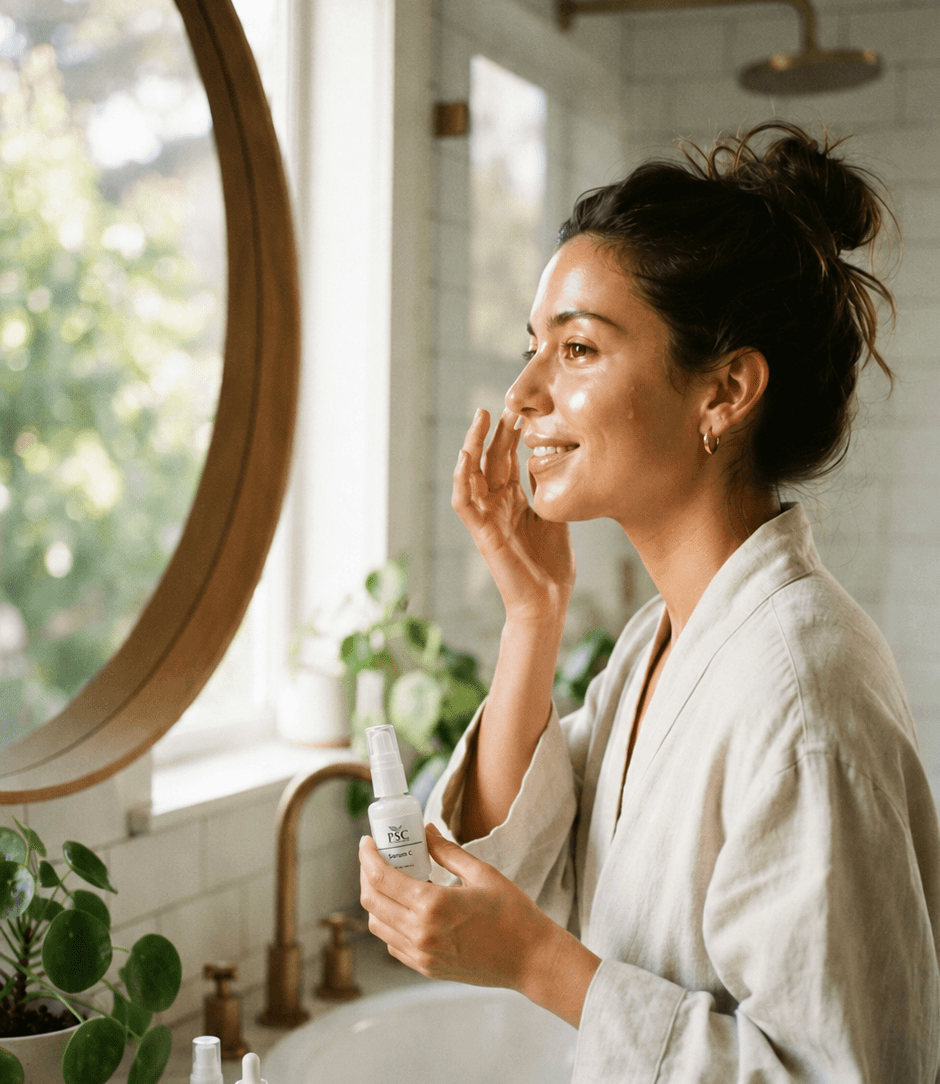
How Stress Affects Your Skin During the School Year
The school year can get stressful fast.
Early mornings. Homework. Sports. Meetings. Deadlines. School drop-off. Late-night studying.
And sometimes your skin seems to notice before you do.
Periods of stress can coincide with more breakouts, increased sensitivity, dryness, oiliness, or a complexion that simply looks tired.
The answer isn’t necessarily adding more products.
Often, stressed skin benefits from a routine that becomes simpler, gentler, and more consistent.
Why Can Stress Show Up on Your Skin?
Stress affects more than your mood.
During stressful periods, changes in hormones, sleep, daily habits, inflammation, and skincare consistency can all influence how your skin looks and feels.
You may notice:
- More breakouts
- Increased oiliness
- Dry or tight skin
- Redness or sensitivity
- Dullness
- Picking or touching your face more often
- Skipping your normal skincare routine
Stress doesn’t affect everyone’s skin the same way, but it can be one piece of the puzzle.
Stress Breakouts Are Real
Ever notice a blemish appear right before a test, presentation, picture day, or big event?
Stress may contribute to acne flare-ups in people who are already acne-prone.
Unfortunately, this is also when people tend to attack the breakout with everything they own.
More exfoliation.
More acne treatment.
More scrubbing.
That can leave the skin irritated on top of being congested.
Instead, keep your routine consistent and resist the urge to pick.
Lack of Sleep Can Make Skin Look Tired
The school year often means less sleep.
College students stay up studying. Teachers grade late into the evening. Parents are preparing for the next morning before they’ve even finished the current day.
After a few late nights, skin may appear duller, drier, or simply less refreshed.
No serum replaces sleep—but a supportive skincare routine can help keep the skin comfortable and hydrated while life is busy.
Keep Stressed Skin Simple
When your skin feels overwhelmed, simplify.
A basic routine might look like:
Cleanse → Refresh → Serum → Moisturize → SPF
At night, you can keep it even easier:
Cleanse → Treat → Restore
The goal is to support the skin rather than constantly challenging it with new products.
Step 1: Refresh With The Refresher Toner
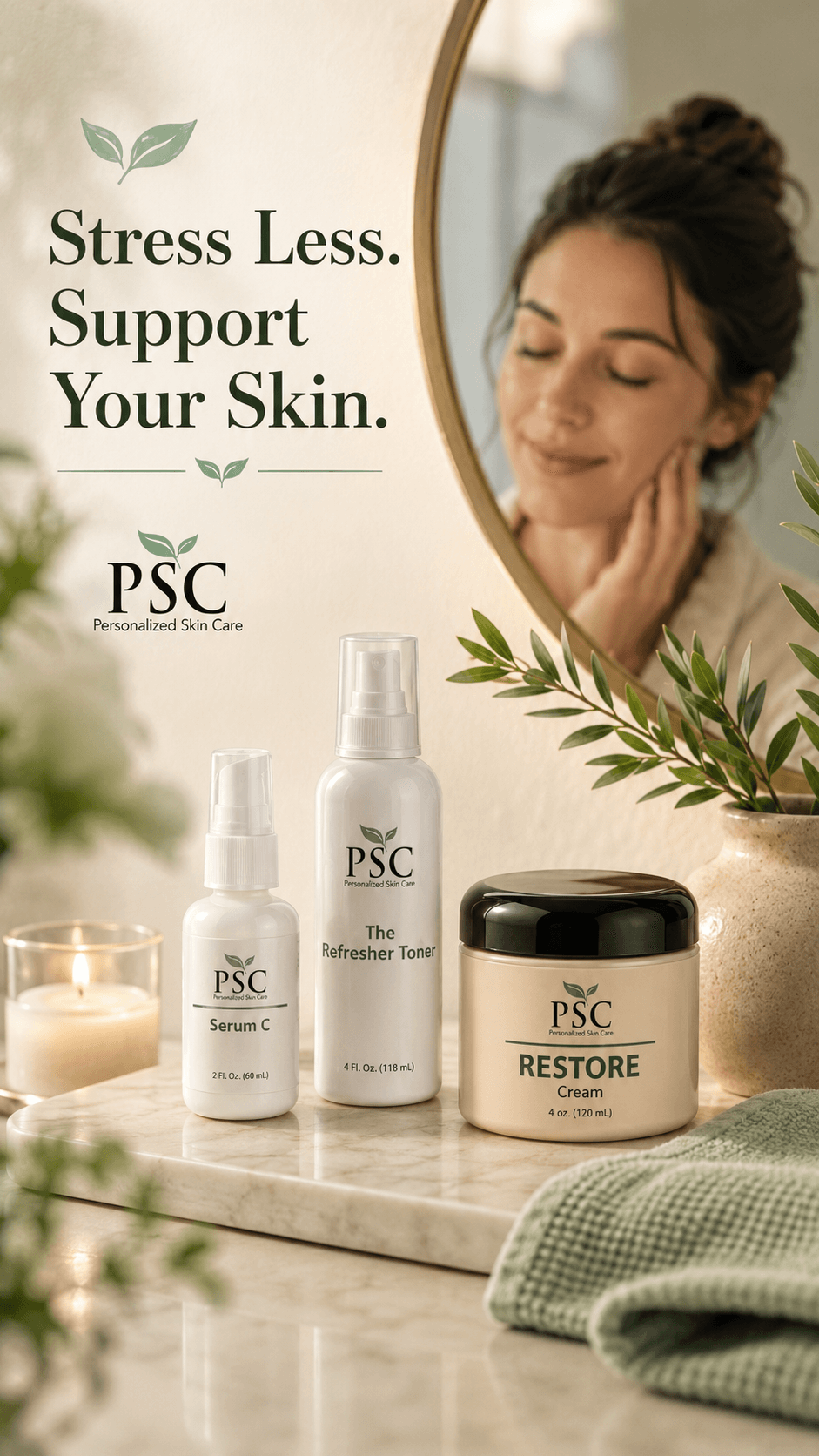
After cleansing, PSC The Refresher Toner can be an easy step to prepare and freshen the skin.
During busy mornings or long school days, a simple toner step can make your routine feel refreshing without adding a lot of time.
You don’t need several toners or essences.
One product that fits your skin is enough.
Step 2: Add Serum C
Stress, lack of sleep, and busy schedules can leave the complexion looking dull.
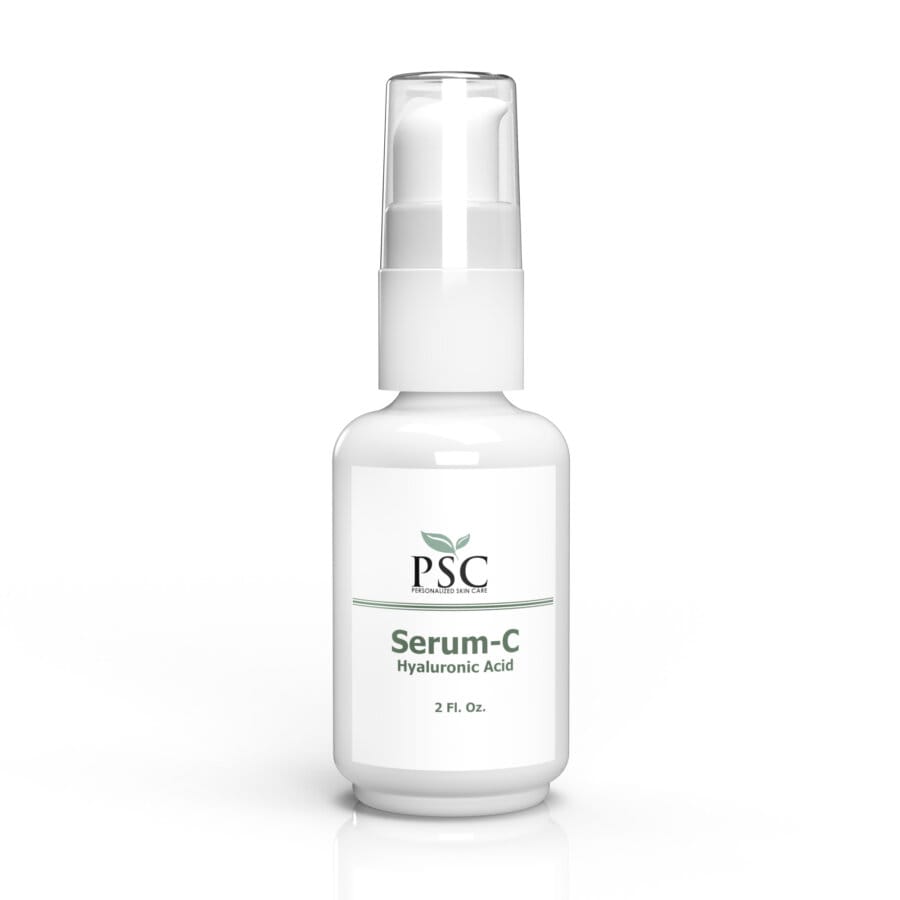
PSC Serum C fits nicely into a morning routine for antioxidant support and a brighter-looking complexion.
Apply it after cleansing and toning, then follow with moisturizer and sunscreen.
Simple.
Step 3: Restore Moisture
When the skin starts feeling dry, tight, or depleted, hydration becomes especially important.
PSC Restore Cream can be used to provide additional moisture and help support a comfortable skin barrier.
This can be particularly helpful at night, when you’re ready to let both yourself and your skin rest.
Think:
Cleanse. Restore. Sleep.

Don’t Stress Your Skin Because You’re Stressed
This may be the most important tip in this article.
When skin suddenly changes, don’t immediately introduce five new products.
Give it a little time.
Look at what else has changed:
Are you sleeping less?
Are you drinking less water?
Did sports start again?
Are you wearing more makeup?
Did you begin a new acne treatment?
Are you touching or picking your face more?
Sometimes the solution is an adjustment—not a complete skincare overhaul.
Build a Two-Minute Stress Routine
On the nights when you’re exhausted, do this much:
Cleanse → Serum or treatment if appropriate → Restore Cream
That’s it.
A simple routine you follow consistently is better than a complicated routine you abandon when life gets busy.
Lorena’s Professional Tip
When clients tell me their skin suddenly looks different during a stressful period, I don’t automatically recommend adding more products.
First, simplify.
Keep cleansing gentle, maintain hydration, protect the skin during the day, and give your routine time to work.
Your skin doesn’t need another source of stress.
— Lorena Coello, Master Esthetician
Did You Know?
Stress can also change your behavior toward your skin.
People may touch their face more, pick at blemishes, skip nighttime cleansing, sleep less, or reach for stronger products hoping for a quick fix.
Sometimes improving stressed skin starts with noticing those habits.


Serving clients since 1993, Personalized Skin Care Facials Fullerton—part of PSC Wellness—specializes in corrective, results-driven facials designed to transform your skin.
We focus on customized treatments based on your skin’s condition, not just your skin type. Whether you’re dealing with acne, aging, sensitivity, or compromised skin, our approach is centered on restoring skin function, strengthening the barrier, and delivering visible results—often in just one session.
As part of PSC Wellness, we take a more complete approach to skin health, combining advanced treatments with long-term skin solutions tailored to you.
Personalized Skin Care is not a one-size-fits-all experience—it’s a targeted skin solution built on over 30 years of expertise.
facials Fullerton, acne facial, anti-aging facialbookmyfacial.com Learn more about our Facials:
Frequently Asked Questions
Can stress really cause acne?
Stress does not directly cause every case of acne, but it may contribute to flare-ups in people who are already acne-prone. Hormonal changes, inflammation, increased oil production, sleep changes, and habits such as touching or picking the skin may all play a role.
Why does my skin feel dry when I’m stressed?
Stressful periods often come with less sleep, changes in routine, more caffeine, dry indoor environments, and inconsistent skincare. Overusing acne treatments or exfoliants can make dryness worse. Gentle cleansing and appropriate moisturization can help support the skin barrier.
Should I exfoliate more when my skin looks dull?
Not necessarily. Excessive exfoliation can leave stressed skin feeling even more irritated. If your skin is red, tight, stinging, or flaky, it may be better to reduce exfoliation temporarily and focus on gentle cleansing, hydration, and sun protection.
Can lack of sleep affect how my skin looks?
Yes. Poor sleep can contribute to a tired-looking complexion and may influence hydration, inflammation, and overall skin appearance. Skincare can help support the skin, but it cannot replace adequate rest.
What is the simplest routine for stressed skin?
A good starting point is gentle cleansing, an appropriate serum or treatment, moisturizer, and sunscreen during the day. Your exact routine should depend on your skin type, sensitivity, acne treatments, and other products you’re already using.
When should I seek professional help?
If your skin becomes persistently painful, severely inflamed, very itchy, rapidly worsens, or acne begins to scar, professional evaluation may be appropriate. An esthetician can help with cosmetic skincare and routine guidance, while certain conditions should be evaluated by a dermatologist or other healthcare professional.
Give Your Skin a Little Less to Deal With
The school year can be busy enough.
Your skincare routine doesn’t have to add more stress.
Keep it simple. Stay consistent. Support hydration. Protect your skin during the day.
And when your skin needs more individualized attention, we’re here to help.
Schedule a customized facial or skincare consultation at Personalized Skin Care (PSC Wellness) in Fullerton.
📞 714-738-3784
🌐 psc4skin.com



0 Comments